

What You Need to Know Before You Go
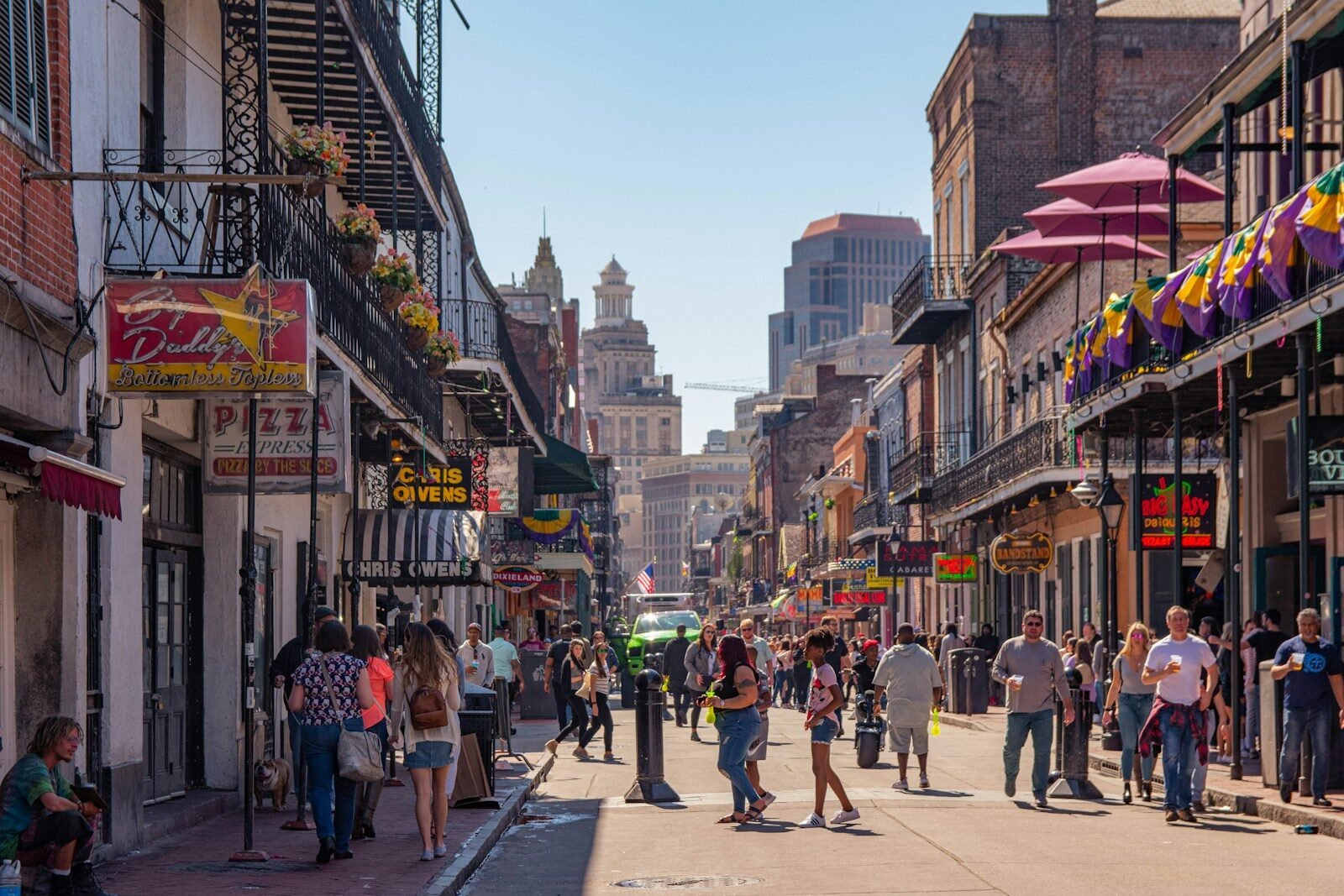
So you’re coming to New Orleans. Good. You’re in for a great time. But before you start booking restaurants, choosing a hotel and making a list of things to see, there are a few things you should know about this city.
I was born and raised in New Orleans, and I can tell you that the city visitors imagine before they arrive is only part of the story. Yes, there’s Bourbon Street, jazz, Mardi Gras, beignets and plenty of great restaurants. But New Orleans is much more than its famous attractions.
The best way to experience it is to slow down a little.
Walk the streets. Eat the local food. Listen to some music. Ride a streetcar. Get outside the French Quarter. And leave yourself some time to wander, because some of the best things you’ll experience here aren’t things you can put on a sightseeing list.
This guide will give you the basics you need to plan a better New Orleans trip — when to come, where to stay, what to eat, what to do, how to get around and which parts of the city you shouldn’t miss.
And I’ll point you toward more detailed guides here on Completely New Orleans when you’re ready to explore a particular subject. Let’s get started.
Welcome to the New Orleans Travel Guide
The first thing to understand is simple:
New Orleans is much bigger than the French Quarter.
The Quarter is a great place to start. Its historic buildings, balconies, courtyards and narrow streets are unlike anything else in America. But don’t spend your entire trip there.
The Garden District, Uptown, Marigny, Bywater and other neighborhoods each show you a different side of the city.
And food is everywhere. Gumbo, po-boys, muffulettas, crawfish, red beans and rice and beignets aren’t just things tourists eat. They’re part of New Orleans culture.
Then there’s the music. You don’t have to know anything about jazz to enjoy it. Find a good club, bar or street musician and listen.
Most of all, don’t try to see everything.
New Orleans rewards people who slow down enough to notice what’s happening around them. Sometimes the restaurant you discover by accident or the music you hear coming through an open door becomes the memory you take home.
That’s the New Orleans I want to help you find.
2. When to Visit New Orleans

There really isn’t one “best” time to visit New Orleans. It depends on what kind of experience you want.
Spring is hard to beat. The weather is generally pleasant, the city is coming alive, and there are festivals and outdoor events happening all over town. If you’re looking for a first visit, this is one of my favorite times to recommend.
Fall is another excellent choice. The heat begins to ease, football and festival season are underway, and there’s a great energy around the city.
Winter can be wonderful too. It’s usually mild compared with much of the country, although you’ll want to bring a jacket. And if you want to experience Mardi Gras, this is obviously the time to come. Just know that Mardi Gras season is a very different kind of New Orleans trip — and hotels can fill up quickly.
Summer is hot and humid. I won’t pretend otherwise. But summer also brings fewer crowds, and you can find some good deals. If you don’t mind the heat, you can still have a great trip.
One thing to remember: New Orleans weather can change quickly. Check the forecast before you pack, but don’t let one rainy-day prediction ruin your plans. Around here, a shower can come and go before you know it.
And if you’re coming for a particular festival or event, plan around that first. New Orleans has a calendar full of them, and I’ll have more about those throughout the site.
See what’s happening in New Orleans → Events & Festivals
3. Where to Stay in New Orleans

Where you stay can make a big difference in your New Orleans experience. My advice? Choose your neighborhood first, then choose your hotel.
The French Quarter is the obvious choice if you want to be right in the middle of the action. You’ll be surrounded by restaurants, bars, historic buildings and plenty of things to do. It can also be noisy, especially around Bourbon Street.
The Central Business District (CBD) is a good choice if you want to be close to the French Quarter without being right in it. There are plenty of hotels and restaurants, and you’re within easy walking distance of many attractions.
The Garden District and Uptown give you a quieter, more residential experience. You’ll be farther from some of the major tourist attractions, but the streetcar makes getting around easy.
Marigny and Bywater are worth considering if you want something a little less conventional. These neighborhoods have plenty of character, music and local flavor.
There’s no single “best” neighborhood. It really comes down to what kind of trip you want.
And don’t automatically assume that the most expensive hotel is going to give you the best New Orleans experience. Location and character count for a lot here.
I’ve put together more detailed information about the city’s hotels, including luxury, boutique and budget options, so you can find the right place for your trip.
Explore New Orleans Hotels → Hotels
4. What to Eat in New Orleans

If you come to New Orleans and don’t eat well, you’re doing something wrong. Food is one of the best reasons to visit this city.
Start with the classics.
Gumbo, jambalaya, crawfish étouffée, red beans and rice and shrimp Creole are all part of the Creole and Louisiana cooking tradition. Creole food grew out of the many cultures that shaped New Orleans, and you can taste that history in the food — French, Spanish, African, Caribbean and other influences all came together here.
Then there are the things you simply have to try.
Po-boys are a New Orleans institution — fried shrimp, oysters, roast beef and other fillings piled into crusty French bread. Muffulettas bring in the city’s Italian influence, with layers of meat and cheese topped with that wonderful olive salad.
If you’re here during crawfish season, eat crawfish. Don’t worry if you don’t know what you’re doing. Somebody nearby will be happy to show you.
And yes, you need a beignet. They’re best hot, covered in powdered sugar and eaten with coffee.
The Famous Places Are Famous for a Reason
New Orleans has restaurants that have been part of the city’s story for generations.
Commander’s Palace in the Garden District, Galatoire’s in the French Quarter and Dooky Chase’s in Tremé are three very different experiences, but all are important parts of New Orleans food history. Dooky Chase’s, in particular, is closely associated with the late Leah Chase and the city’s Creole culinary and civil-rights history.
There are plenty of other legendary names, too — Brennan’s, Antoine’s, Arnaud’s and others. You don’t have to eat at all of them, but if you enjoy food and history, at least one classic New Orleans dining experience is worth putting on your list.
Don’t Ignore the New New Orleans
One thing I like about our food scene is that it isn’t stuck in the past.
New chefs are taking Louisiana ingredients and traditional ideas and doing something new with them. And because New Orleans has a large Vietnamese community, Vietnamese food has become an important part of the local food scene, too. You’ll find everything from pho and banh mi to Vietnamese-Cajun seafood boils — a pretty good example of what happens when different New Orleans food traditions meet.
That’s part of what makes eating here so much fun. You can have a bowl of traditional gumbo for lunch and then have Vietnamese food or a modern interpretation of Louisiana cooking for dinner.
My advice is simple: eat local, try something you’ve never had before and don’t spend your whole trip eating at places you could find back home.
I’ve put together more detailed restaurant guides to help you find everything from fine dining to cheap eats and classic New Orleans favorites.
Explore New Orleans Restaurants → Restaurants
5. What to Do in New Orleans

There is plenty to do in New Orleans, but here’s my first piece of advice: don’t try to do everything. You’ll wear yourself out and miss some of what makes the city special.
Start with the French Quarter. Walk Jackson Square, explore Royal Street, see the old architecture and wander down some of the quieter streets. Royal Street is world-famous for its antique shops and galleries, and if you enjoy antiques, art or just browsing beautiful old things, give yourself plenty of time to explore it. Bourbon Street is worth seeing, but it isn’t the whole Quarter — and it certainly isn’t the whole city.
Then get outside the Quarter.
Walk through the Garden District, ride the streetcar along St. Charles Avenue, explore the Marigny and Bywater, or spend some time in City Park.
New Orleans also has some excellent attractions for families and anyone who wants a break from walking around historic neighborhoods. The Audubon Zoo, Audubon Aquarium and Audubon Insectarium are all worth considering, especially if you’re traveling with children.
If you enjoy history, you’ve got plenty of choices. Visit the National WWII Museum, explore one of our historic cemeteries, or take a walking tour and learn the stories behind the buildings and neighborhoods you’re seeing.
And don’t limit yourself to the city itself. Plantation tours and swamp tours make good day trips if you have extra time. You can see a very different side of South Louisiana — from historic plantations and antebellum architecture to the bayous and swamps that are such an important part of the landscape.
Don’t Miss the Music
You can hear live music almost anywhere in New Orleans, from major venues to neighborhood bars and clubs. If you enjoy jazz, you’ll find plenty of it, but don’t limit yourself. New Orleans has produced and continues to produce all kinds of music.
For a taste of the city’s traditional jazz heritage, Preservation Hall is an experience worth having. It’s a small, intimate venue dedicated to keeping New Orleans jazz alive.
Frenchmen Street is another must for music lovers, with clubs offering live music throughout the evening. And if you want to venture beyond the usual tourist areas, places like Tipitina’s and Maple Leaf Bar are part of the city’s legendary music scene and have hosted generations of New Orleans musicians.
The important thing is to go hear some live music while you’re here. You don’t have to know anything about jazz. Just find a place you like, sit down and listen.
And yes, you can play golf here. If you’re a golfer, don’t assume New Orleans is only about food, music and sightseeing. Audubon Park Golf Course is a particularly good choice. It’s a historic course under a canopy of century-old live oaks and has received national recognition, including being named by Golf Digest as the #1 course in its “Courses Over 100 Years Old” category. Bayou Oaks at City Park is another excellent option, with two courses in one of New Orleans’ great urban parks.
Tours can also be a great way to see more of the city, particularly if you want to learn about our history, architecture, food or some of the more unusual stories that don’t make it into the guidebooks.
The biggest mistake visitors make is spending the entire trip checking things off a list.
Give yourself some unplanned time. Walk down a street you’ve never seen. Stop when you hear music. Sit in a park. Have another cup of coffee.
That’s when you start experiencing New Orleans instead of just sightseeing.
Explore Things to Do → Things to Do · Explore New Orleans Tours → Tours ·
6. Getting Around New Orleans

One of the nice things about visiting New Orleans is that you don’t necessarily need a car.
If you’re staying in or near the French Quarter, walking is often the best way to get around. The streets are interesting, and you’ll see things you would miss from a car. Just wear comfortable shoes — you’ll probably walk farther than you think.
The streetcars are another great way to experience the city. The St. Charles line takes you through the Garden District and Uptown beneath those beautiful live oaks, while other lines connect different parts of the city. They’re transportation, but they’re also part of the New Orleans experience.
Rideshare services and taxis are convenient when you’re going somewhere that’s not easily reached on foot or by streetcar.
As for driving, you can certainly rent a car, but I wouldn’t unless you really need one. Traffic, one-way streets and parking can make driving in the older parts of the city more trouble than it’s worth. Parking can also get expensive, particularly in the French Quarter.
If you’re planning to take a swamp tour, visit a plantation, play golf or explore places outside the city, having a car can make things easier. Otherwise, consider staying somewhere central and using your feet, the streetcars and rideshare when necessary.
My favorite way to see New Orleans is still the simplest: walk when you can. Slow down, look around and let the city come to you.
7. New Orleans Neighborhoods

One of the best ways to understand New Orleans is to get out of the tourist areas and explore some of the neighborhoods. Each has its own personality, architecture and history.
The French Quarter is the city’s most famous neighborhood and the place most visitors will spend time. But there’s much more to see beyond it.
The Garden District is known for its beautiful historic homes, huge live oaks and St. Charles Avenue. It’s one of my favorite places to simply walk around and look at the architecture.
Uptown stretches beyond the Garden District and includes neighborhoods with beautiful homes, restaurants, universities and plenty of local character. It’s also where you’ll find Audubon Park and the zoo.
Faubourg Marigny sits just outside the French Quarter and is especially known for its music, restaurants, colorful buildings and Frenchmen Street.
Bywater continues the neighborhood feel beyond the Marigny. It’s colorful, eclectic and very different from the polished tourist image of New Orleans.
Tremé is one of the most historically important neighborhoods in the city and has deep roots in New Orleans’ African American culture and music. It’s a place where the history of the city is still very much alive.
The Lakefront offers yet another side of New Orleans. Along Lake Pontchartrain you’ll find wide-open views, breezes off the lake, restaurants, fishing and places to enjoy the water. It’s a good place to get away from the crowds and see how New Orleanians enjoy their lake.
And then there’s City Park, which is practically a destination in itself. It’s one of the largest urban parks in the country and includes the New Orleans Museum of Art, the Besthoff Sculpture Garden, the Botanical Garden, Bayou Oaks Golf and plenty of space to simply get away from the busy streets.
You don’t have to visit every neighborhood. Pick a couple that interest you and spend some time there.
That’s one of the best ways to see the New Orleans that locals know.
Explore New Orleans Neighborhoods → Neighborhoods
8. Things Visitors Often Get Wrong About New Orleans

After you’ve lived here as long as I have, you start to notice some of the assumptions visitors make about New Orleans. Some are understandable. A few are just plain wrong.
Yes, we’re in the Deep South — but New Orleans has always felt different from much of the South. Our history, food, music, architecture and culture have been shaped by the Caribbean, Latin America, France, Spain and Africa as much as by the American South. You’ll sometimes hear New Orleans described as part of the “northern Caribbean,” and there’s a reason that comparison makes sense. Spend a little time here and you’ll feel it.
New Orleans is not just the French Quarter. It’s the best-known part of the city, but there’s an entire city beyond it. Get out and explore.
Bourbon Street isn’t the whole New Orleans music scene. It’s certainly part of the experience, but if music is what you’re after, check out Frenchmen Street, Preservation Hall, Tipitina’s and some of the neighborhood clubs.
You don’t have to eat at the most famous restaurant. Some legendary restaurants are absolutely worth experiencing, but New Orleans has hundreds of good places to eat. Ask a local, explore the neighborhoods and try something you haven’t heard of.
You don’t have to rush. This may be the biggest one. New Orleans isn’t a city you experience by running from one attraction to the next. Give yourself time to sit, listen, eat and wander.
And don’t expect everything to work exactly like it does at home. We’re a little more relaxed about time, a little more social and sometimes a little unpredictable. That’s part of the charm.
Finally, don’t leave thinking you’ve “done” New Orleans because you spent a weekend in the French Quarter.
You’ve seen New Orleans when you’ve experienced a little of its food, music, neighborhoods, history and people.
That’s when the city starts to make sense.
9. Things You Need to Know Before Visiting New Orleans
A few practical things can make your New Orleans trip a whole lot easier.
Bring comfortable shoes. You may think you’re going to spend most of your time riding around, but you’ll probably do a lot more walking than you expect. Some of our sidewalks and streets have been around a long time, too, so leave the fancy shoes at home unless they’re comfortable.
The weather can change quickly. New Orleans summers are hot and humid, and afternoon rainstorms can appear out of nowhere. Check the forecast, but don’t let a chance of rain ruin your day. It may be sunny again 30 minutes later.
Hurricane season runs from June through November. That doesn’t mean a hurricane is going to interrupt your vacation, but it’s something to keep in mind when you’re planning a trip during those months. Weather can occasionally affect flights, events and other plans.
Make reservations for the restaurants you really want. New Orleans has a lot of restaurants, but the popular ones can fill up quickly, especially during Mardi Gras, Jazz Fest and other major events.
Don’t underestimate Mardi Gras. If you’re coming for Carnival season, understand that you’re visiting during one of the busiest and most unusual times of the year. It’s fantastic, but you’ll want to plan ahead.
Carry a little cash. Most places take credit cards, but cash can still come in handy for small purchases, tips and some of the musicians and vendors you’ll encounter around town.
Pay attention to where you’re going at night. New Orleans is a big city, and like any big city, some areas are safer than others. Stay aware of your surroundings, especially if you’re walking late at night, and don’t assume that every neighborhood is a tourist area.
And don’t be afraid to ask questions. New Orleanians usually have an opinion about where you should eat, what you should see and where you should hear music. Some of the best recommendations you’ll get may come from the person sitting next to you at the bar or the server bringing your dinner.
Finally, remember that New Orleans doesn’t always move at the same pace as the place you came from. Give yourself a little extra time. Relax. You’re on vacation.
That’s not a bad way to start learning how to do New Orleans.
10. Before You Go

There’s a lot to see and do in New Orleans, but you don’t need to know everything before you arrive.
Come hungry. Bring comfortable shoes. Get out of the French Quarter. Listen to some music. Talk to people. And leave yourself enough time to simply enjoy being here.
And if you want a little more help once you start planning your trip, I’ve written a book specifically for visitors.
Your Own Personal New Orleans Tour
Once you’re walking the streets of New Orleans, this’ll be the stuff you’ll wish you knew…
Your Own Personal New Orleans Tour is based on the things I think visitors should know to have a truly great time in the city — the places, experiences and little bits of local knowledge that can make your trip better.
It’s not meant to replace everything else you’re reading. Think of it as having a New Orleans native riding along with you, pointing out the things you might otherwise miss.
Get Your Own Personal New Orleans Tour →
And welcome to New Orleans.
I hope you have a fabulous time here.
— Richard