History

New Orleans Jazz and Heritage Festival

The Jazz Fest, as it’s known in these parts, started in the 1970s and is over a half century old. There is not only Jazz music but many and diverse national and international acts. With dozens of food booths that showcase New Orleans and south Louisiana, this is the place to be for those two extraordinary weekends in the Spring. Music, food, arts, dancing, celebration. There is no other festival like it on the face of the earth. In the early
Read More »

Mardi Gras

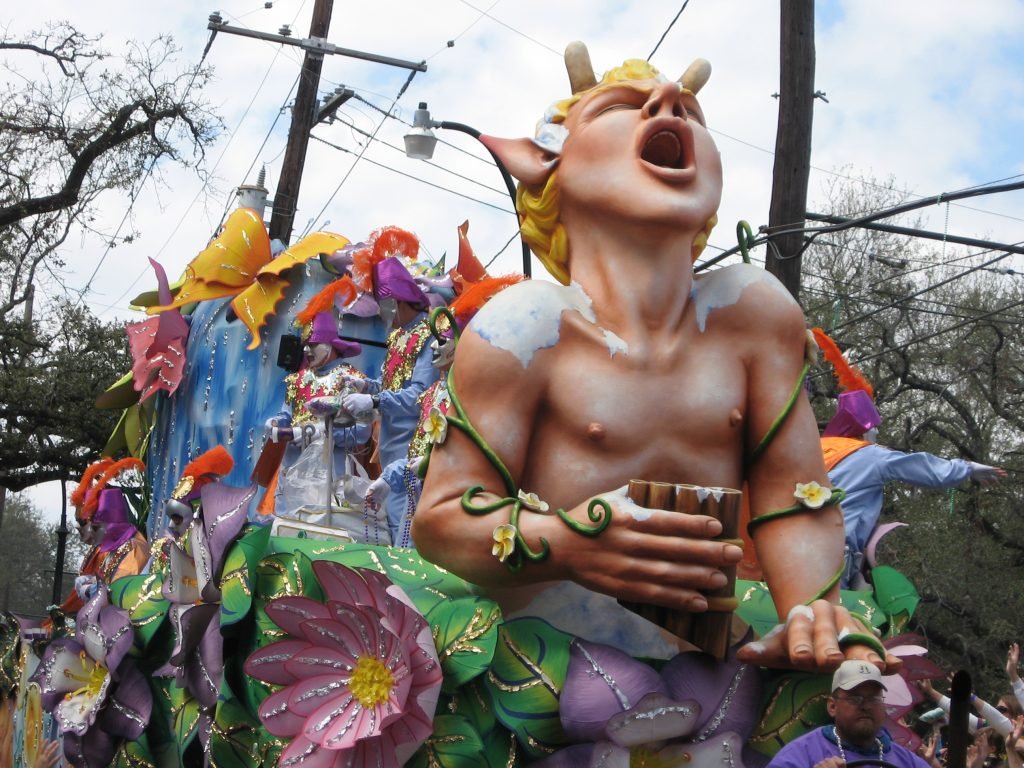
Mardi Gras and the entire Carnival season is a party the city throws for itself and everyone in the world is invited. There are many parades and many celebrations. People come from all over to experience the greatest free show on earth. And it’s not unusual to have over a million visitors visit the city during Carnival time. Almost every celebration in the city of New Orleans takes it cue from the Carnival season. The city if known for almost continuous

Read More »

The Lakefront

  Lake Pontchartrain is the northern limit of the New Orleans. Out here are numerous excellent restaurants right on the water. This is a place where many citizens like to go and sit and enjoy a lazy morning or afternoon. Here you’ll also find Lakeview, where you see many modern homes, and Bucktown, a popular little area for excellent seafood restaurants.   The lakefront area is one of the newer areas of the city. Much of it was originally swamp that

Read More »

City Park

City Park is as magical and unique as the city of New Orleans. The 1,300-acre outdoor oasis has enchanted New Orleanians since 1850, making it one of the nation’s oldest urban parks. Located in the Mid City area and close to Lake Pontchartrain, City Park is a huge area of City Park, a 1,300-acre public park in New Orleans, Louisiana, is the 87th largest and 20th-most-visited urban public park in the United States. City Park is approximately 50% larger than Central Park in New York City.

Read More »

Faubourg Marigny and Bywater

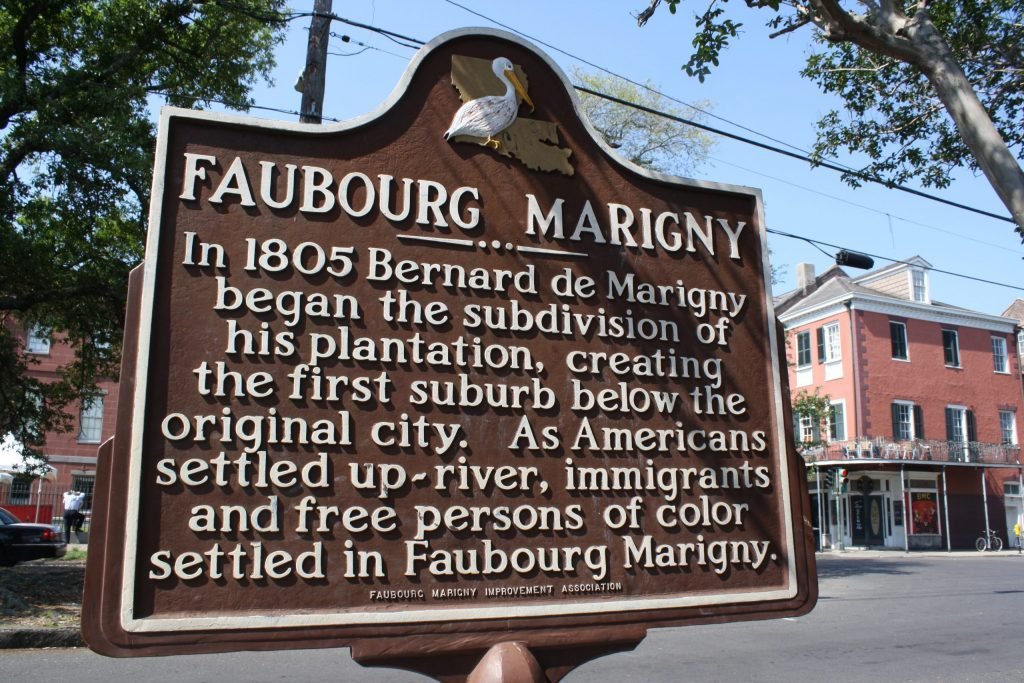
Faubourg Marigny, directly across Esplanade Avenue from the French Quarter, and Bywater, right next door, are two of the most colorful neighborhoods in the city. The architectural styles borrow heavily from the colonial French and Spanish and have elements of the Caribbean. This blending over the last three centuries has resulted in an architectural style unique to the city of New Orleans. Faubourg Marigny Formerly part of a plantation, this area was developed by Creole landowner Bernard de Marigny, beginning in

Read More »